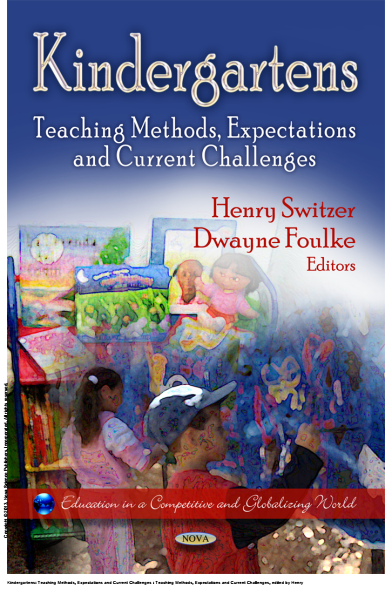
Kindergartens Teaching Methods, Expectations and Current Challenges Teaching Methods, Expectations and Current Challenges
Books open doors to new worlds, emotions, aBook Link is Given Below:
Kindergarten is a critical stage in early childhood education, laying the foundation for lifelong learning, social development, and cognitive growth. Teachers, parents, and educational policymakers are constantly seeking ways to improve early education practices. Exploring Kindergartens Teaching Methods, Expectations and Current Challenges Teaching Methods, Expectations and Current Challenges provides a clear understanding of how children are taught, what is expected of them, and the obstacles that educators face in delivering high-quality instruction.
Kindergartens Teaching Methods, Expectations and Current Challenges Teaching Methods, Expectations and Current Challenges focus on how early learning is delivered in classrooms. Teaching methods in kindergartens are designed to be interactive, play-based, and student-centered. Activities often include storytelling, role-play, music, movement, and arts and crafts to engage children while introducing them to key concepts in literacy, numeracy, and social skills. These methods aim to make learning enjoyable while fostering curiosity, creativity, and collaboration. By using these approaches, teachers can accommodate the varying developmental stages and learning styles of young children, ensuring that every child receives appropriate attention and guidance.
Expectations in kindergarten classrooms are carefully structured to support both academic and social-emotional development. Children are encouraged to develop basic literacy and numeracy skills, including recognizing letters and numbers, identifying shapes and colors, and understanding simple patterns. Social expectations focus on cooperation, sharing, following instructions, and expressing emotions appropriately. Understanding these expectations is vital for parents and teachers alike, as it ensures that children transition smoothly into primary school while gaining confidence in their abilities. Kindergartens Teaching Methods, Expectations and Current Challenges Teaching Methods, Expectations and Current Challenges highlight that balanced expectations are essential for nurturing well-rounded learners who are both academically prepared and socially competent.
However, despite structured teaching methods and clear expectations, kindergartens face several current challenges. One major challenge is the increasing diversity in classrooms. Children come from different linguistic, cultural, and socioeconomic backgrounds, requiring teachers to adapt lessons to meet a wide range of needs. Limited resources, large class sizes, and insufficient training for educators further complicate the implementation of effective teaching methods. Additionally, the rapid integration of technology into early education has introduced both opportunities and challenges, as teachers must balance screen time with hands-on, interactive learning activities. Kindergartens Teaching Methods, Expectations and Current Challenges Teaching Methods, Expectations and Current Challenges emphasizes that understanding these challenges is crucial for developing strategies that enhance learning outcomes and maintain classroom engagement.
Modern kindergarten teaching methods also emphasize inclusive and holistic education. Teachers are trained to support children with different learning abilities and to foster a nurturing environment that promotes emotional well-being. Activities are designed to develop critical thinking, problem-solving, and creativity in young learners. Collaboration between teachers, parents, and school administrators plays a key role in ensuring that these methods are successfully implemented and that children meet developmental milestones. By considering both expectations and challenges, educators can create a classroom environment that is supportive, stimulating, and adaptable to changing needs.
Parental involvement is another significant factor highlighted in Kindergartens Teaching Methods, Expectations and Current Challenges Teaching Methods, Expectations and Current Challenges. Parents are encouraged to participate in their child’s learning journey by reinforcing skills at home, communicating regularly with teachers, and fostering a positive attitude toward education. Active collaboration between home and school helps children internalize expectations, practice social skills, and develop a love for learning that lasts beyond the kindergarten years.
In conclusion, exploring Kindergartens Teaching Methods, Expectations and Current Challenges Teaching Methods, Expectations and Current Challenges provides valuable insights into early childhood education. Effective teaching methods, clear expectations, and strategies to address current challenges are essential for nurturing confident, capable, and socially aware young learners. By understanding the approaches used in classrooms, the anticipated outcomes for students, and the obstacles faced by educators, parents and teachers can work together to provide a supportive and engaging learning environment. With the availability of free PDF resources, teachers can access lesson plans, activities, and strategies to overcome challenges, ensuring that kindergarten education is both effective and enjoyable for every child.
Comments (0)