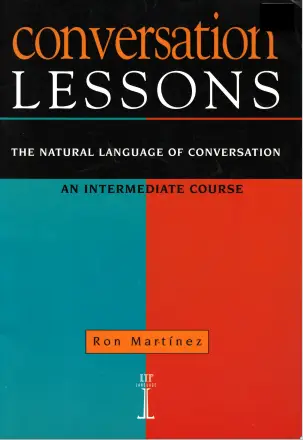
Conversation Lessons
Book Link is Given Below:
Effective communication is at the heart of language learning. While vocabulary and grammar provide the tools, the ability to engage in meaningful dialogue is what truly allows learners to use a language confidently. This is where Conversation Lessons play a crucial role. By focusing on interactive speaking exercises, real-life scenarios, and practical usage, conversation lessons help learners develop fluency, improve comprehension, and build confidence in their communication skills.
The Importance of Conversation Lessons
Many language learners struggle to bridge the gap between understanding rules and using them in real conversations. Traditional learning methods often emphasize reading and writing but neglect speaking practice. Conversation Lessons address this gap by providing structured yet flexible opportunities for learners to practice speaking in a supportive environment.
Through conversation lessons, students learn how to apply vocabulary and grammar in context, respond to questions naturally, and navigate common social interactions. This approach promotes active learning and helps learners move beyond theoretical knowledge to practical communication skills.
Key Features of Effective Conversation Lessons
Effective Conversation Lessons are designed to be engaging, interactive, and contextually relevant. Here are some key features that make these lessons successful:
- Real-Life Scenarios: Lessons often simulate everyday situations such as ordering food, asking for directions, or making introductions. This prepares learners for real-world communication.
- Role-Playing Activities: By acting out conversations, learners practice speaking in a low-pressure setting, improving fluency and pronunciation.
- Pair and Group Work: Collaborative exercises encourage dialogue between learners, promoting peer learning and social interaction.
- Listening and Comprehension: Conversation lessons integrate listening exercises, helping learners respond appropriately and understand native speech patterns.
- Feedback and Correction: Constructive feedback during or after conversation activities ensures that mistakes are addressed and learners gain confidence without fear of judgment.
These features make Conversation Lessons an effective tool for learners at all levels, from beginners to advanced speakers.
Benefits of Conversation Lessons
Incorporating conversation lessons into a language learning routine offers multiple benefits:
- Improved Fluency: Regular speaking practice helps learners speak more naturally and confidently.
- Enhanced Listening Skills: Engaging in dialogue improves comprehension and response time.
- Practical Application: Learners use vocabulary and grammar in real-life contexts, reinforcing retention and understanding.
- Confidence Building: Participating in conversations reduces anxiety and encourages learners to express themselves freely.
- Cultural Awareness: Conversational exercises often include cultural nuances, idiomatic expressions, and social etiquette, enriching learners’ understanding of the language.
By combining practice, feedback, and real-life application, Conversation Lessons make language learning dynamic, effective, and enjoyable.
How to Conduct Effective Conversation Lessons
To make the most of Conversation Lessons, teachers and learners should adopt certain strategies:
- Start with Simple Topics: Begin with familiar, everyday topics to build comfort and confidence.
- Encourage Interaction: Promote dialogue between learners rather than one-sided speaking exercises.
- Use Multimedia Resources: Videos, audio clips, and online tools can simulate authentic conversations and enhance listening skills.
- Incorporate Repetition and Reinforcement: Revisit key phrases, vocabulary, and structures to reinforce learning.
- Adjust Difficulty Gradually: As learners gain confidence, introduce more complex topics, idioms, and discussion prompts.
By following these strategies, educators can ensure that Conversation Lessons are engaging, effective, and suitable for diverse learning levels.
Conversation Lessons for Digital Learning
In today’s digital era, Conversation Lessons are not limited to physical classrooms. Online platforms, apps, and PDF resources offer learners the flexibility to practice speaking anytime and anywhere. Digital resources often include interactive exercises, guided dialogues, and audio recordings, allowing learners to practice at their own pace and receive instant feedback.
These resources make language learning more accessible, particularly for remote learners or those seeking supplementary practice outside traditional classroom settings. Incorporating digital tools alongside in-person conversation lessons creates a balanced, effective approach to language acquisition.
Conclusion
Conversation Lessons are a vital component of language learning, bridging the gap between knowledge and practical communication. By focusing on speaking, listening, and real-life interaction, these lessons help learners build fluency, confidence, and cultural awareness. Through role-playing, group discussions, and guided exercises, conversation lessons transform language learning from a theoretical exercise into a practical, enjoyable, and meaningful experience.
Whether conducted in classrooms, online, or via PDF resources, Conversation Lessons equip learners with the skills needed to communicate effectively, express themselves confidently, and navigate real-world situations with ease. For anyone serious about mastering a new language, integrating conversation lessons is a step toward fluency, competence, and lifelong learning.
Disclaimer: The content of this article is provided for educational and informational purposes only. PDF resources on Conversation Lessons are intended for personal and educational use. All copyrights and intellectual property rights belong to their respective owners. No copyrighted material is distributed for commercial purposes via this website.
Comments (0)