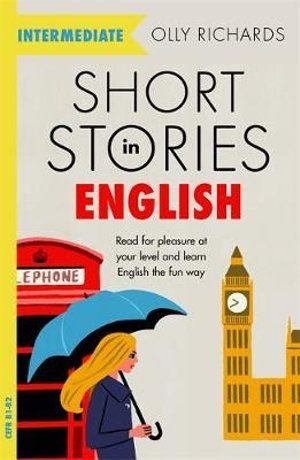
Short Stories in English for Intermediate Level…
Book Link is Given Below:
Reading is a powerful tool for language learning, especially when combined with engaging narratives. Short Stories in English for Intermediate Level offer learners an excellent way to improve vocabulary, comprehension, and critical thinking skills while enjoying captivating tales. These stories are designed to challenge learners without overwhelming them, striking the perfect balance between language development and entertainment.
The Importance of Reading Short Stories
Short stories are an effective resource for language learners for several reasons. Unlike long novels, they are concise and focused, allowing learners to grasp the plot, characters, and themes without feeling intimidated. Short Stories in English for Intermediate Level provide structured exposure to grammar, sentence structure, and idiomatic expressions in context, helping learners internalize language patterns naturally.
Moreover, reading short stories encourages learners to think critically and engage with the text. They analyze characters’ motivations, predict outcomes, and reflect on cultural and social nuances. This active engagement enhances comprehension and retention, making short stories a valuable tool for developing both language and cognitive skills.
Features of Short Stories for Intermediate Learners
Short Stories in English for Intermediate Level are carefully crafted to suit learners who have a basic understanding of English but wish to progress further. Key features include:
- Moderate Vocabulary: Stories use vocabulary that is challenging yet manageable, encouraging learners to expand their lexicon gradually.
- Variety of Themes: From mystery and adventure to daily life and moral tales, these stories expose learners to different contexts and cultural perspectives.
- Realistic Dialogue: Incorporates natural conversation patterns, helping learners improve listening comprehension and speaking skills.
- Grammar in Context: Sentence structures are simple enough to understand but demonstrate authentic English usage.
- Comprehension Questions: Many stories include exercises that encourage reflection, discussion, and analysis.
These features make short stories an engaging and effective way to improve intermediate-level English skills.
Benefits of Using Short Stories in Language Learning
Using Short Stories in English for Intermediate Level has multiple benefits for learners:
- Vocabulary Expansion: Exposure to new words and phrases in context helps learners remember and use them accurately.
- Improved Reading Comprehension: Learners practice extracting meaning, identifying themes, and understanding character development.
- Enhanced Writing Skills: Reading well-structured stories provides models for sentence formation, paragraph organization, and creative writing.
- Cultural Awareness: Stories often reflect cultural norms, traditions, and societal values, enriching learners’ understanding of English-speaking contexts.
- Increased Motivation: Engaging narratives make learning enjoyable and reduce the feeling of language study being a tedious task.
By incorporating short stories into their study routine, learners develop a holistic understanding of English while enjoying the process.
How to Make the Most of Short Stories
To maximize the benefits of Short Stories in English for Intermediate Level, learners can adopt several strategies:
- Read Actively: Take notes on unfamiliar words, idioms, and expressions. Try to guess meanings from context before checking dictionaries.
- Summarize and Retell: After reading a story, summarize it in your own words or retell it to a friend. This reinforces comprehension and speaking skills.
- Analyze Characters and Themes: Reflect on the motivations of characters and the moral or theme of the story to develop critical thinking skills.
- Practice Writing: Use stories as inspiration for writing your own short narratives, which improves creativity and language usage.
- Discuss and Share: Join study groups or online forums to discuss stories, exchange interpretations, and learn collaboratively.
These approaches transform passive reading into an active learning experience, enhancing retention and application of language skills.
Recommended Use in Classrooms and Self-Study
Short Stories in English for Intermediate Level are suitable for both classroom instruction and self-study. Teachers can use stories to introduce new vocabulary, initiate discussions, and design interactive exercises. In self-study, learners can read at their own pace, reflect on the material, and complete comprehension exercises independently.
Short stories also complement other learning materials such as grammar guides, vocabulary books, and audio resources. Listening to audio versions of stories while reading can further improve pronunciation, listening comprehension, and fluency.
Conclusion
Short Stories in English for Intermediate Level are more than just entertaining tales—they are a versatile tool for language development. By providing a structured yet enjoyable learning experience, they help learners expand their vocabulary, improve comprehension, and enhance writing and speaking skills. The combination of narrative engagement and practical language exercises makes these stories an indispensable resource for intermediate English learners.
For educators and learners alike, incorporating short stories into daily practice fosters motivation, cultural awareness, and a deeper connection with the language. By exploring stories that challenge the mind while delighting the imagination, learners can steadily progress toward fluency and confidence in English.
Disclaimer: The content of this article is provided for educational and informational purposes only. PDF resources of Short Stories in English for Intermediate Level are intended for personal and educational use. All copyrights and intellectual property rights belong to their respective owners. No copyrighted material is distributed for commercial purposes via this website.
Comments (0)